

The world of educational programs and video games is vast, but not all products are created equal. So how should parents and teachers choose?
Nadine Levitt, founder of educational technology platform WURRLYedu, suggests considering “whether[a show or game]helps or replaces learning by stimulating creativity and curiosity.” doing.
But the label “education” isn’t everything, says Lisa Castaneda, co-founder and CEO of Foundry 10 Education and Research Organization. “People may have the misconception that games that aren’t marketed for educational purposes have no learning value,” she says. “A bigger concern is that games marketed as educational may not have the learning value that parents expect.”
lesson learned
It is up to parents and teachers to help children make connections between entertainment options and the lessons being taught. We need to follow up with the children to make sure that the objectives are being met,” says Castaneda. So if the game is skill-oriented and your goal is to practice and gain fluency, see if those skills have improved.

Even without a specific goal, Levitt says, it’s helpful for kids to reflect after watching a show. It’s as easy as asking, “What’s the biggest?” The moment was for them and how it made them feel.
Virtual reality option
Virtual reality tools can also benefit from follow-up. “We had teachers using virtual experiences involving refugees to help students understand the experiences and perspectives of those trying to flee,” he says. The teacher set up a digital her pen pal exchange with a refugee student from the area and the class raised funds for UNICEF.
Whatever show or game you choose, keep that in mind. Kids must really like it. “Today’s students enjoy fast-paced shows with lots of action going on,” says mathematics education specialist and founder of her Doodles + Digits, her resource for math education online. says one Caroline Farkas. “I usually encourage parents to watch ‘bite-sized’ movies and shows that sustain their child’s attention.”
Keep your child engaged and entertained while increasing their knowledge with the recommended options below.
Educational streaming:
number block (YouTube, Netflix, Amazon Prime)
It uses many mathematical models and thoroughly explains basic math concepts, says Caroline Farkas, an expert in math education.
cyber chase (PBSKids.org or local PBS channel)
This cartoon covers basic math topics, includes real-life examples, and features games and worksheets.
waffle + rice cake (netflix)
Produced and starring Michelle Obama, this kids’ cooking show takes a fun approach to healthy eating.
Wild Kratz (PBS Kids and YouTube)
Animal lovers will enjoy learning about wildlife, conservation and science while watching Chris and Martin Kratt’s animated adventures.
rhinoceros kids (Youtube)
Questions such as “What’s a pickle?” host and her robot rat artfully answer in creative short videos.
Educational online platform:
WURRLYedu
Founder Nadine Levitt’s music education platform is designed to make creating and learning fun and is used by education ministries nationwide.
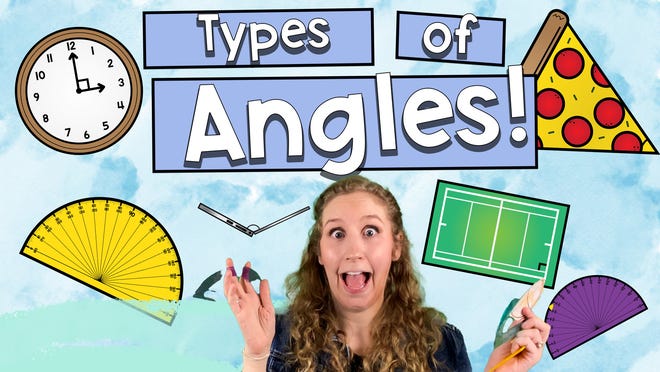
doodles + numbers (Also available for streaming on YouTube and Highbrow)
Farkas created this channel to help elementary school students visualize math and connect it with real-life examples.
math prank (Also available on YouTube)
This series of videos explains complex math concepts with humor.
ask storybot (Also available on Netflix)
The Emmy Award-winning show explains concepts like how cell phones work and why you need to brush your teeth.
educational games
Samdog (computer or app)
This program provides individualized math and spelling practice for grades K-5.
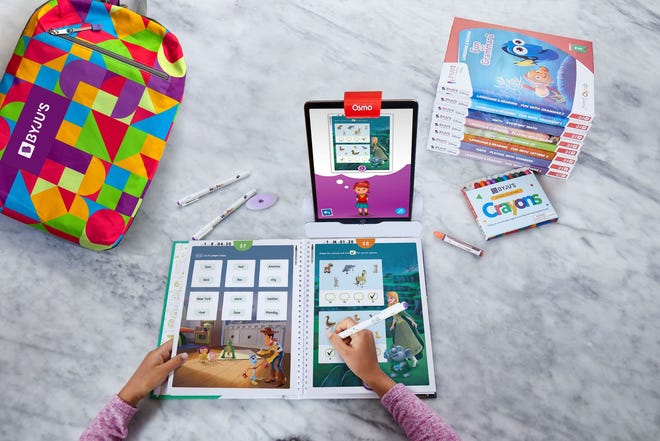
BYJU’s magic workbook featuring Disney (App + Hands-on activity with Osmo technology)
Mathematics, language and reading comprehension for pre-kindergarten through third grade.
animal crossing (Nintendo Switch)
With positive messages and role models, the game fosters creativity and encourages real-world conversations.
Animal Planet: Amazon Odyssey (virtual reality)
Users learn facts about a dozen animal species while boating down Amazon rivers or camping in the rainforest.
