

Thousands of women who worked in the Valley’s microchip factories and other manufacturing facilities in the 1960s and early 1980s did not compete in the Olympics, but contributed to the industry’s success. Among them were working-class Asian-Americans and Mexican-Americans whose mothers and grandmothers worked in orchards and fruit canneries in the pre-war Valley. Others were white recent immigrants from the East and Midwest, often college-educated, in need of income, and interested in technical work.
Women can work for less because there are few other technical jobs in Silicon Valley. Factory wages in the region are among the lowest in the country due to the predominance of women on the production line. Most factories are now thousands of miles away, yet women continue to dominate the high-tech assembly lines. In 1970, an early US-owned Mexican production line employed her 600 workers, nearly 90% of whom were women. Half a century later, the pattern continued. In 2019, women made up 90% of her workforce at her giant iPhone assembly plant in India. Female production workers make up her 80% of Vietnam’s total skilled workforce.
Venture: “The Boys Club”
The fierce competition in chip manufacturing and the unusually demanding management culture have proven to be very influential as first-generation semiconductor billionaires develop their wealth and managerial experience in other companies. rice field. But venture capital has been where semiconductor culture casts its longest shadow.
Silicon Valley’s original venture capitalists were a tight-knit bunch, mostly young men who controlled the money of older, much wealthier men. It was very small at first, so I booked a restaurant in San Francisco and called the founders to pitch everyone all at once. There were so many opportunities flowing that it didn’t really matter if the deal went to someone else. called The Group. Other observers, such as journalist John W. Wilson, called it a “boys club.”
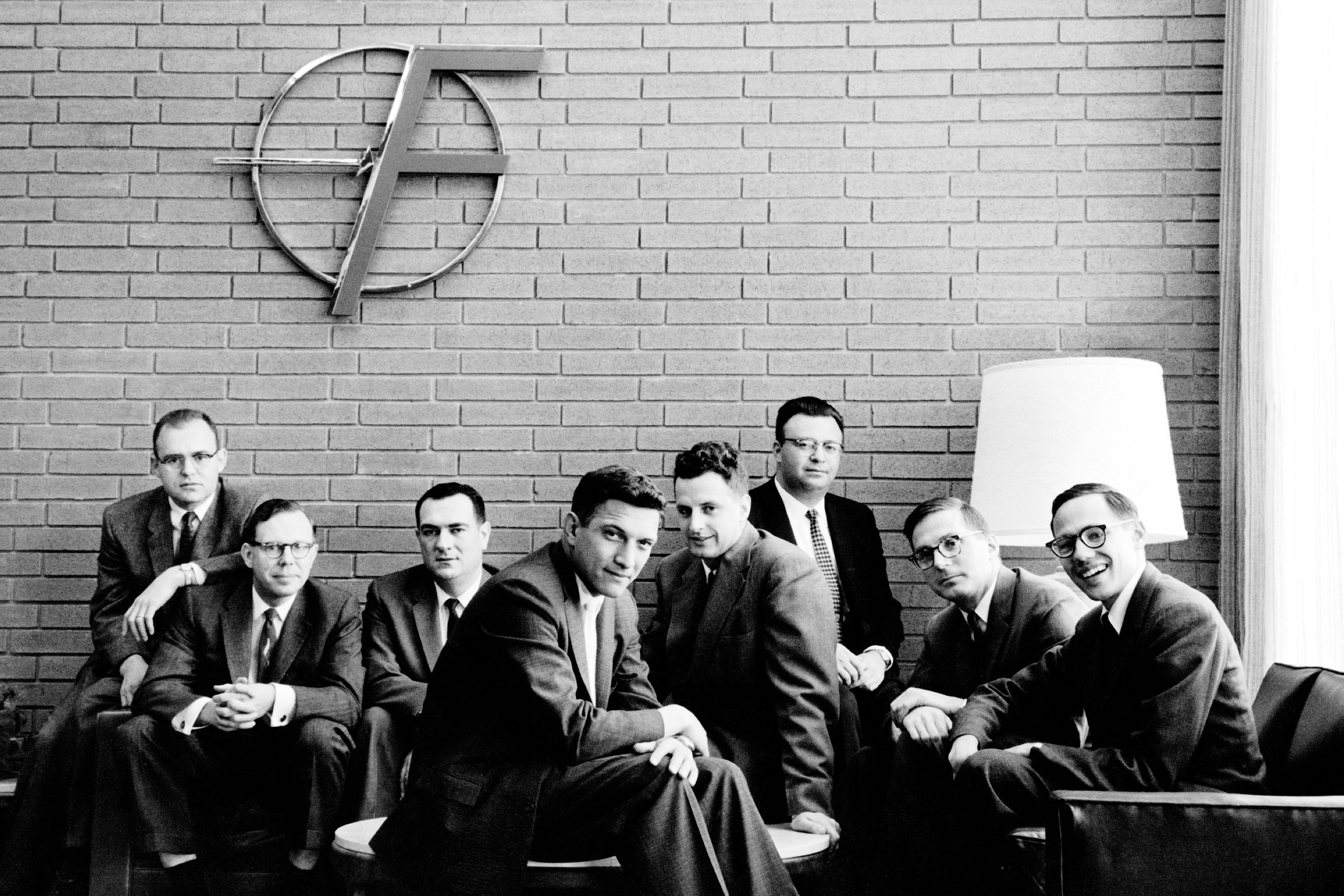
Wayne Miller/Magnum Photography
The venture business was expanding by the early 1970s, but a downturn in the market made it a difficult time to raise capital. But companies founded and led by semiconductor veterans during this period became industry-defining companies. Gene Kleiner left Fairchild Semiconductor to co-found Kleiner Perkins. Kleiner Perkins’ long list of hits included Genentech, Sun Microsystems, AOL, Google and Amazon. A crafty blackmailer, Don Valentine founded Sequoia Capital, and in the early days he invested in Atari and Apple, then Cisco, Google, Instagram, Airbnb, and more.
Generation: “Pattern Recognition”
Silicon Valley venture capitalists have made their mark not only by choosing where to invest, but by advising and shaping the business acumen of those they invest in. They weren’t just bankers. They were mentors, professors, and fathers to young, inexperienced men. They knew a lot about technology and nothing about how to start and grow a business.
Silicon Valley historian Leslie Berlin writes: ” Technology his leader agrees with Berlin’s assessment. Apple co-founder Steve Jobs, who learned most of what he knows about business from a man in the semiconductor industry, likened it to passing the baton in a relay race.
.
