

Corporate criminal defense attorneys may be good at standing up to federal prosecutors.
rope & gray
But it may take more to prove to prosecutors that the company has an effective corporate compliance culture.
Including experts in data analytics and behavioral sciences.
One of the reasons Ropes & Gray founded the R&G Insights Lab is to bring these experts together to map company culture and strengthen compliance programs.
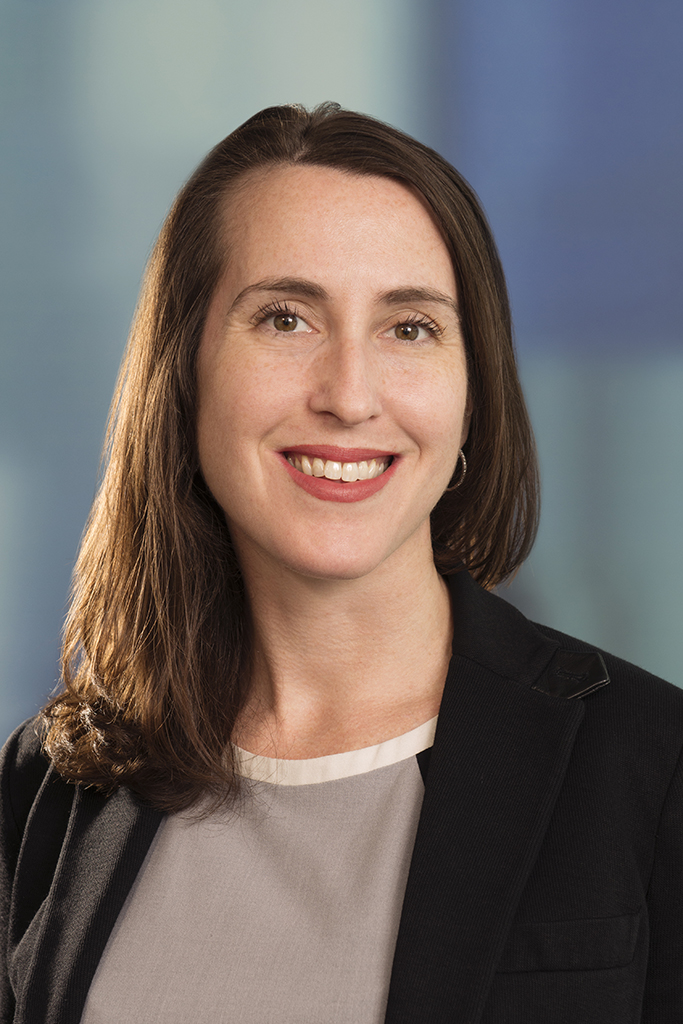
Amanda Raad is a partner at Ropes & Gray in London. She is also the founder of the company’s data and behavioral sciences initiative.
Raad is also Co-Chair of the Program Committee for the Women’s White Collar Defense Association (WWCDA).
Last month in London, Raad moderated a WWCDA panel entitled “Effective Compliance Programs and Value in Global Resolutions.”
The panel discussion included comments from Lauren Kootman and Vanessa Sisti from the Department of Justice, Sara Chouraqui from the UK Serious Fraud Service, Terri Segura from Zimmer Biomet and Michaela Ahlberg from Getinge.
Panelists described how the Bureau of Serious Fraud and the Department of Justice view compliance programs. Controversial compliance certification practices were also highlighted. The Department of Justice has required compliance officers to sign the company’s compliance program.
Kootman said certification is intended to empower chief compliance officers, not to frame them, and an effective compliance program need not prevent all wrongdoing.
Kootman also recommended incorporating risk assessments into compliance program presentations, noting that they are critical to demonstrating that companies understand their risk profile sufficiently to mitigate risk.
Compliance officers worry about their own legal risks as the topic of compliance certification spreads. Compliance officers are asking if they face law enforcement if something goes wrong.
“I think you’ll see compliance certifications,” Raad said. corporate crime reporter In an interview last month, “The Women’s White Collar Defense Association held an event earlier this year where AAG Polite spoke. Served in the Enforcement, Compliance and Policy Units, in both cases it became clear that Compliance was meant to have a central voice and empowering role at the table. It was not meant to be used as a tool for the compliance function, it was there to ensure the empowerment of the compliance function, and we will continue to pursue compliance certifications in the future. showed.
How can data analytics help your job?
“It was great to see regulators recently talk about the growing interest in data analytics and incorporating it into the expertise they use. Data tells a big part of the story. ”
“Whether you’re doing research or doing any kind of proactive review, it’s all about finding the data that exists and making sure you’re reading it correctly. It comes in many shapes and sizes. You can come by e-mail reviews, other communication data, transactions, accounting data, etc.”
“We work with teams of lawyers and accountants, but also data scientists and data experts to ensure that we operate as efficiently and effectively as possible.”
How are you using data analytics and behavioral science to establish a compliance-driven culture?
“The data analysis part is finding the right data to tell the story of a culture. People say culture is hard to measure. And of course subcultures are everywhere. It helps identify the voice of an organization and the culture of an organization as it can exist in several different forms.”
“Behavioral science looks at how we get information from people and how we tell stories. Attorneys aren’t the only ones working on culture reviews, we’re working with legal experts alongside data scientists and behavioral scientists. , culture-specific and tested over time.”
Is it an active compliance-building effort? Or are you using data analytics and behavioral science to defend companies facing government scrutiny?
“Both. The same principles apply when conducting investigations to respond to enforcement actions.”
You started something called the R&G Insights Lab. what is that?
“This is our home base within Ropes & Gray and we bring these non-legal professionals to join forces with the company.”
“We bring together data scientists and behavioral scientists to work with lawyers in the compliance area and all areas to make the work we do as effective and accessible as possible.”
You recently wrote an article titled “Compliance Programs: Window Dressing or Part of Your Company’s DNA?”
How do you know which one it is?
“Don’t follow the checkbox approach. It sounds so basic. So much time, energy and resources have been spent to make sure, we’ve moved to a place where most organizations can understand it, but the real test is what it means Do people really know the company’s policies on specific issues? Where to go for help, what training will teach them, and if they have concerns, will people Is it safe to raise your hand and speak up? Understanding what an organization’s ethics, values, and culture are goes beyond the thesis.”
Are female attorneys more likely than male attorneys to condemn window decorations?
“If you’re a good defense attorney, you’re going to highlight this as an important factor. You’re going to be questioned about it. You can’t go before a regulator and not be questioned about it. I don’t think it’s defined by whether you’re a woman or a man, it’s whether you really understand the importance of culture.”
People talk a lot about top tone. But the top tone can also be window dressing.
“One hundred percent. We need tone at the top, in the middle, and throughout the organization.”
Five years ago we interviewed Hui Chen –
“Hui is now working with us. She is at R&G Insight Labs.”
We interviewed her as she left the Department of Justice. What is the state of the Department of Justice’s Compliance Division today?
“Now that Lauren Cooteman is in charge, they have an entire department. It builds on and applies compliance program guidance.They have investigated companies before the Department of Justice and its compliance program and are deeply involved in the effectiveness of the compliance program. increase.”
“It leads to decisions on resolutions and oversight, which is very similar to what Hoy was doing at the Department of Justice. I was fortunate enough to be able to. She spoke a fair amount about the group’s work and expectations for the compliance program, including the window dressing points we were just talking about.
You are a member of the Women’s White Collar Defense Association. how did you get to that? And what difference has it made to your life and practice?
“I was lucky enough to start working for this organization as a fairly young junior associate. It’s a great platform to help show how strong the bench of women practitioners is at.
“When I moved to London, one of the first things I could easily do was get more involved with the London chapter. It’s a great way to connect with women and improve the great work we’re all doing. I recently had the opportunity to co-chair the Program Committee with Hartley West, where we are doing four series on global enforcement and compliance best practices. It’s really gratifying to bring the authorities together and make it happen this year, it’s a great way to make sure we’re on top of trends and that strong and talented women’s voices around the world are being heard in this space. .”
[For the complete q/a format Interview with Amanda Raad, see 36 Corporate Crime Reporter 30(13), Monday July 25, 2022, print edition only.]
